

Blog
Sustainable construction methods: What does sustainable construction mean in Germany?

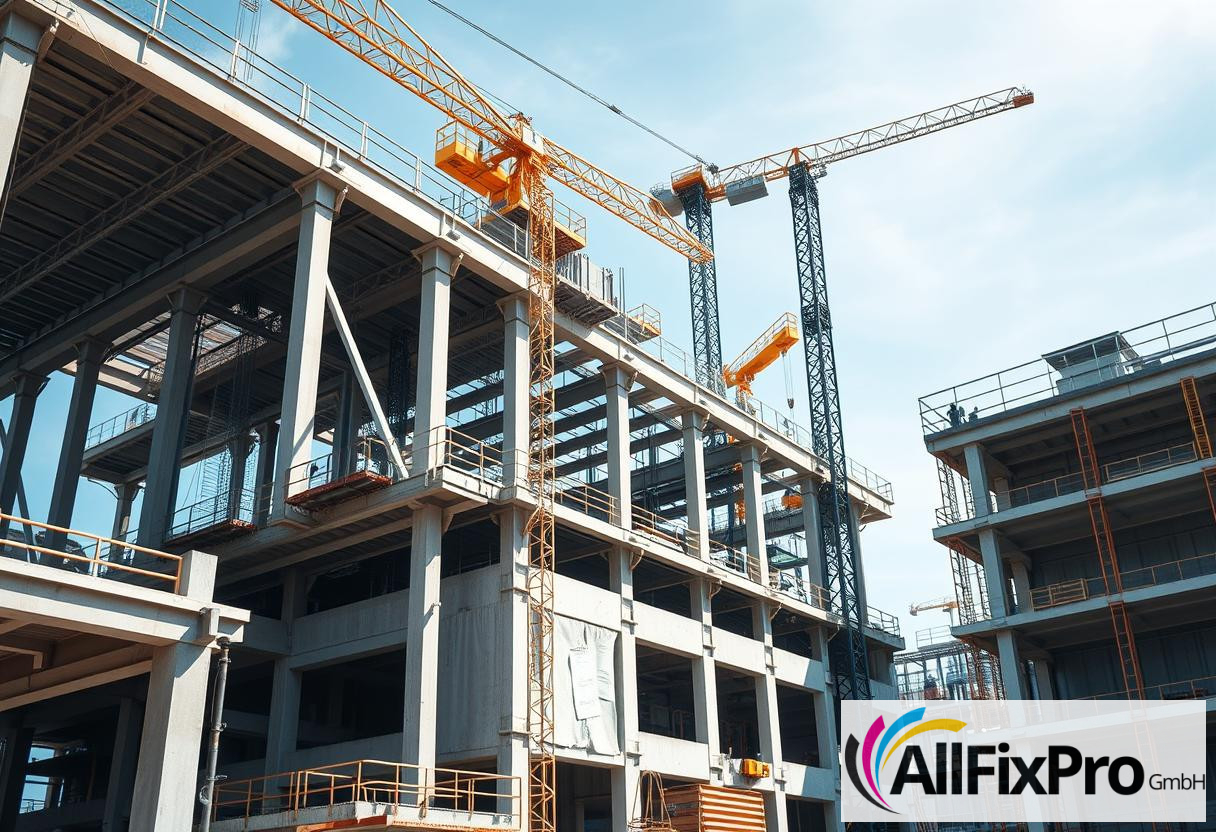
What does sustainable construction mean?
Sustainable building methods refer to the design, construction, and use of buildings that balance ecological, economic, and sociocultural aspects. In today's world, where climate change and resource scarcity are becoming increasingly pressing, sustainable construction is emerging as an indispensable approach to creating living spaces that are both ecologically and economically viable. Considering these dimensions impacts not only the environment but also the quality of life of users and the community as a whole.
Basics of sustainable construction
Principles of sustainable construction methods
The principles of sustainable construction methods aim to conserve resources and maximize the efficiency of buildings. Central to this is the need to consider both ecological and economic aspects in the planning and execution of construction projects. These principles form the foundation for all subsequent measures and strategies applied in the field of sustainable construction.
- Resource conservation: Through careful selection of materials and techniques, attention is paid to minimizing the consumption of natural resources. This includes the use of locally available materials as well as renewable raw materials, which are also more environmentally friendly.
- Energy efficiency: The use of energy-efficient systems and technologies is crucial to reducing energy consumption throughout the life of a building and thus minimizing environmental impact.
Materials for sustainable construction
Choosing the right materials is crucial for the realization of sustainable construction projects. Bio-based materials and recycled products play a key role in the practice of sustainable construction. These materials not only offer ecological benefits but also contribute to creating a healthy indoor climate.
- Bio-based materials: These include materials such as wood, clay and other renewable raw materials that are environmentally friendly and reduce CO₂ emissions.
- Recycling and reuse: Reusing old materials and building elements can bring significant environmental benefits and reduce the need for new materials.
Planning and design
Integrative approach to planning
An integrative planning approach considers ecological, economic, and social aspects equally. The goal is to create living spaces that are not only functional but also in harmony with nature. This approach promotes harmonious interaction between people and the environment.

- Consideration of ecological, economic and social aspects: By integrating these dimensions during planning, innovative solutions can be created that meet the needs of users.
- Designing living spaces in harmony with nature: Landscape architecture and the integration of natural elements promote well-being and quality of life.
Innovative technologies and construction methods
Modern technologies play a central role in sustainable construction. This includes both innovative construction methods and intelligent building technologies that ensure high efficiency even during construction. Passive houses and cradle-to-cradle architecture are examples of such advanced concepts.
- Smart Building Technologies: These technologies enable intelligent use of energy and resources and improve the user experience through automation and control of energy flows.
- Passive houses and cradle-to-cradle architecture: They aim to maximize energy efficiency and minimize resource losses throughout a building's lifetime. These concepts rely on the highest standards in insulation and energy consumption.
Implementation of sustainable construction methods
Construction process: from vision to reality
Implementing sustainable construction methods is a complex process that requires sound project management and the commitment of all stakeholders. Architects, engineers, and clients must work closely together to successfully translate the visual and sustainable vision of the construction project into reality.
- Project management and responsibility: Clear project management that covers all phases is crucial for successful implementation and to ensure that sustainability goals are achieved.
- Collaboration between architects, engineers and clients: Through regular communication and coordination, problems can be identified early and solutions found.
Sustainable urban development
Sustainable urban development is an important aspect of sustainable construction. It involves developing neighborhoods that are both ecologically and socially sustainable. Promoting sustainable transportation networks also contributes to reducing cities' ecological footprints.
- Ecological urban planning: Taking ecological principles into account in urban planning has far-reaching benefits for the quality of life of citizens.
- Promoting community and sustainable transport networks: Community spaces and the promotion of public transport can contribute to social cohesion in urban areas.

Challenges and future of sustainable construction
Barriers and resistance
Despite the growing importance of sustainable construction methods, the industry faces several challenges. These barriers must be overcome to drive progress in this important area.
- Contradictions between costs and long-term benefits: Often, initial investments are overestimated without taking into account the long-term savings from energy efficiency.
- Lack of knowledge and training opportunities: Sound training in sustainable construction practices is necessary to attract skilled workers for implementation.
Outlook: Future developments and trends
The future of sustainable construction will be shaped by various developments. Legal frameworks and funding programs play a crucial role in supporting sustainable projects. Furthermore, digital innovations and technologies will revolutionize sustainable construction and open up new opportunities for increasing efficiency.
- Legal framework and funding programs: These influence construction practices and can create incentives for sustainable investments.
- The impact of digital innovations on sustainable construction methods: Technologies such as Building Information Modeling (BIM) offer potential for more efficient planning and implementation processes.
Conclusion
Sustainable construction is more than just a trend—it's a necessity for creating livable spaces in a changing world. Careful consideration of ecological, economic, and social factors is crucial for the success of construction projects and the satisfaction of all involved. With an integrative approach that integrates innovative technologies and sustainable construction methods, we can overcome the challenges of the future together.
Whether in private residential construction or commercial architecture, sustainable solutions offer great opportunities for all stakeholders. The appeal to architects, engineers, developers, and investors is clear: Focus on sustainable construction practices and actively contribute to shaping a better future.
For more information and resources on sustainable construction methods, please visit the websites of the Federal Ministry for Housing, Urban Development and Building or the WBA Weimarto learn more about the latest trends and developments in the industry.
Allfixpro GmbH · Your partner for sophisticated interior fittings.



 English
  German
  Arabic
  Czech
Czech  Bulgarian
  Spanish
  Italian
  French
  Romanian
  Ukrainian
  Russian
  Croatian
  Polish
  Dutch
Dutch