

Blog
Sustainable urban projects: Innovative construction projects for the future in Germany

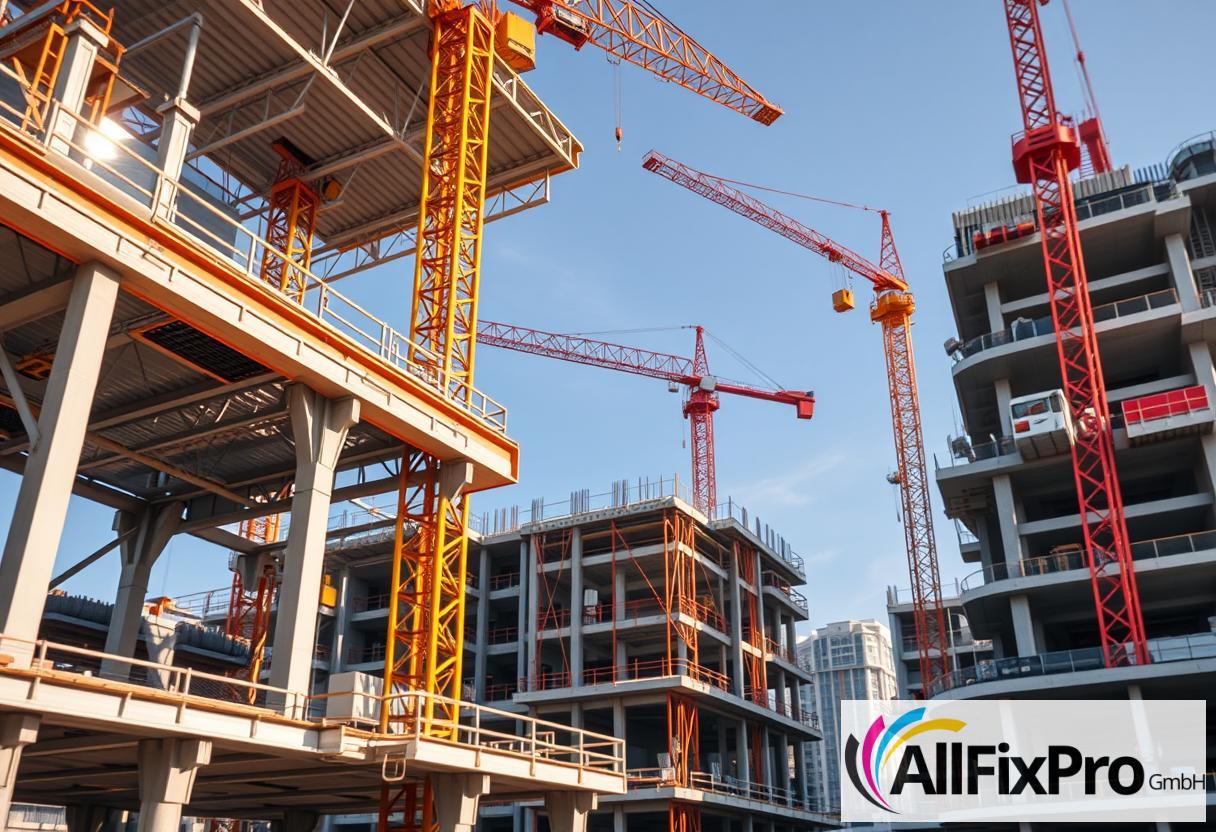
Future-oriented urban development: Sustainable construction projects in Germany
Sustainable urban projects are becoming increasingly important in Germany to address the challenges of climate change and urbanization. At a time when the demand for housing is rising and ecologically sustainable solutions are required, innovative construction projects demonstrate how future-oriented urban development can be realized. By integrating ecological, social, and economic aspects, livable and resilient urban spaces are created.
Introduction
The importance of sustainable urban development cannot be overstated. It is not only necessary to reduce the ecological footprint of urban spaces, but also crucial for creating livable communities. The goals and visions for the future include, among other things, reducing CO2 emissions, promoting social inclusion, and creating infrastructure that meets citizens' needs.
Goals and visions for the future
The visions for sustainable urban development in Germany include the creation of urban areas that offer not only housing but also jobs, educational institutions, and recreational opportunities. The aim is to bring these elements into harmony with nature and existing resources. Through participatory planning processes, citizens are to be involved in the development of their living spaces in order to increase acceptance and identification with new projects.
Principles of sustainable construction
Environmental friendliness and resource conservation
A central principle of sustainable construction is environmental friendliness. This means using materials that are environmentally friendly and come from sustainable sources. The use of new technologies, such as energy-efficient construction methods and renewable energies, reduces resource consumption. The cradle-to-cradle principle is one of the pioneering approaches.
Social integration and quality of life
In addition to environmental friendliness, the social component is essential. Sustainable building projects must also promote social integration and provide quality of life. This includes the creation of public spaces that bring people together and the development of housing options that are accessible to different social groups. The establishment of educational institutions and cultural offerings also plays a crucial role in social urban development.
Case studies of sustainable urban projects in Germany
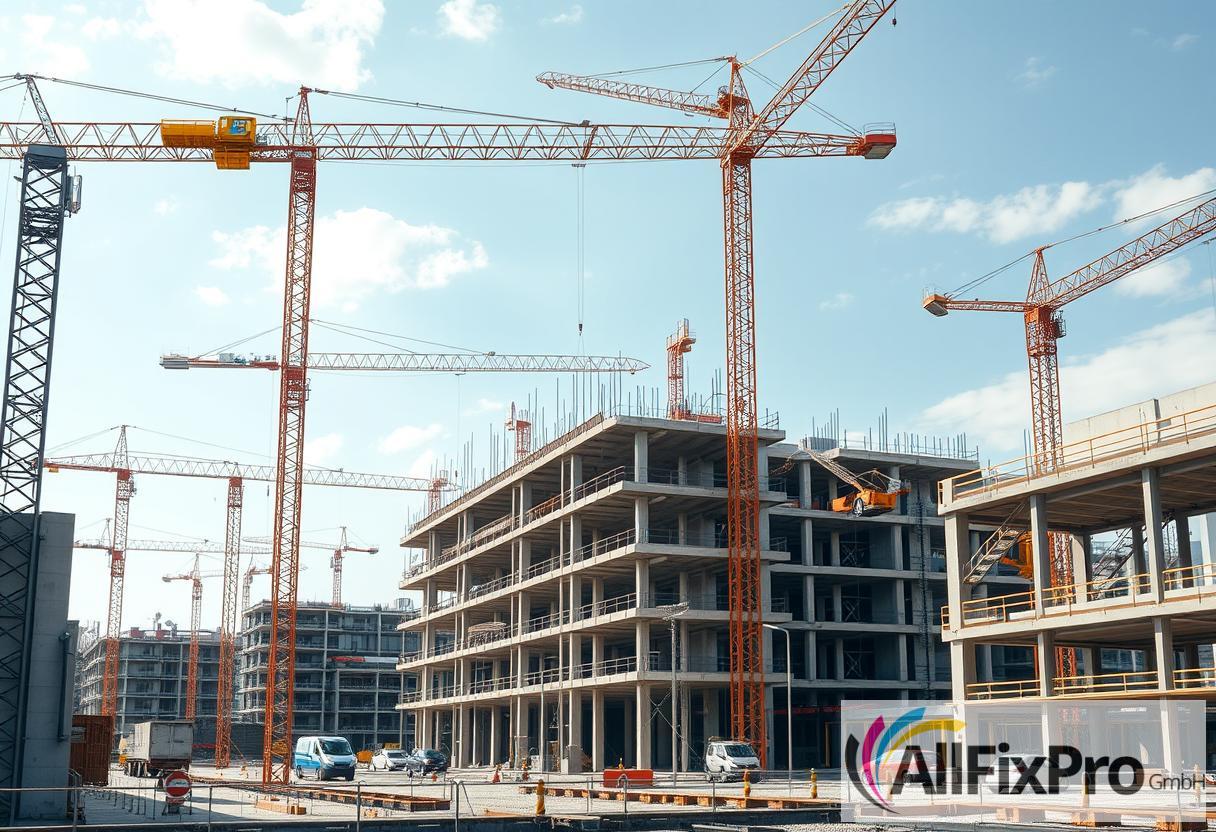
Innovative construction projects in large cities
In recent years, numerous innovative construction projects have been realized in major German cities that can serve as models for sustainable urban development.
Neckarbogen in Heilbronn
The Neckarbogen in Heilbronn is an outstanding example of sustainable urban development. A total of 22 residential buildings designed by renowned architectural firms were built on a former industrial and port site as part of the 2019 Federal Garden Show. The construction of Germany's tallest wooden skyscraper, the Skaio, demonstrates how the cradle-to-cradle principle can be implemented. This principle promotes the recycling of building materials and sustainable construction practices.
CITY AND COUNTRY in Berlin
The Berlin housing association STADT UND LAND has also implemented numerous sustainable construction projects. These include the redesign of the large Hellersdorf housing estate, where large areas were redesigned and numerous trees planted. Thanks to the installation of photovoltaic systems on the roofs of apartment buildings, excellent energy self-sufficiency has been achieved.
Successful sustainable projects in rural areas
Successful sustainable projects are being implemented not only in cities but also in rural regions of Germany.
Quarter in the Sindelfingen Forest
The "Quartier im Sindelfingen Wald" (Quartier in the Sindelfingen Forest) is being built in Sindelfingen, combining living, working, and leisure. At least 500 apartments are planned, which are intended to promote social interaction through their location and the integration of educational facilities. The project's respectful approach to the existing tree population is a distinguishing feature.
Innovation Campus Sustainability in Freiburg
The Innovation Campus for Sustainability (ICN) in Freiburg, which will open in January 2024, aims to develop interdisciplinary approaches to promote sustainable urban districts. Projects such as "ZUKAMAS" demonstrate how green spaces can contribute to adapting urban living spaces to climate change. These initiatives underscore the importance of research and civic participation.
Challenges and solutions in implementation
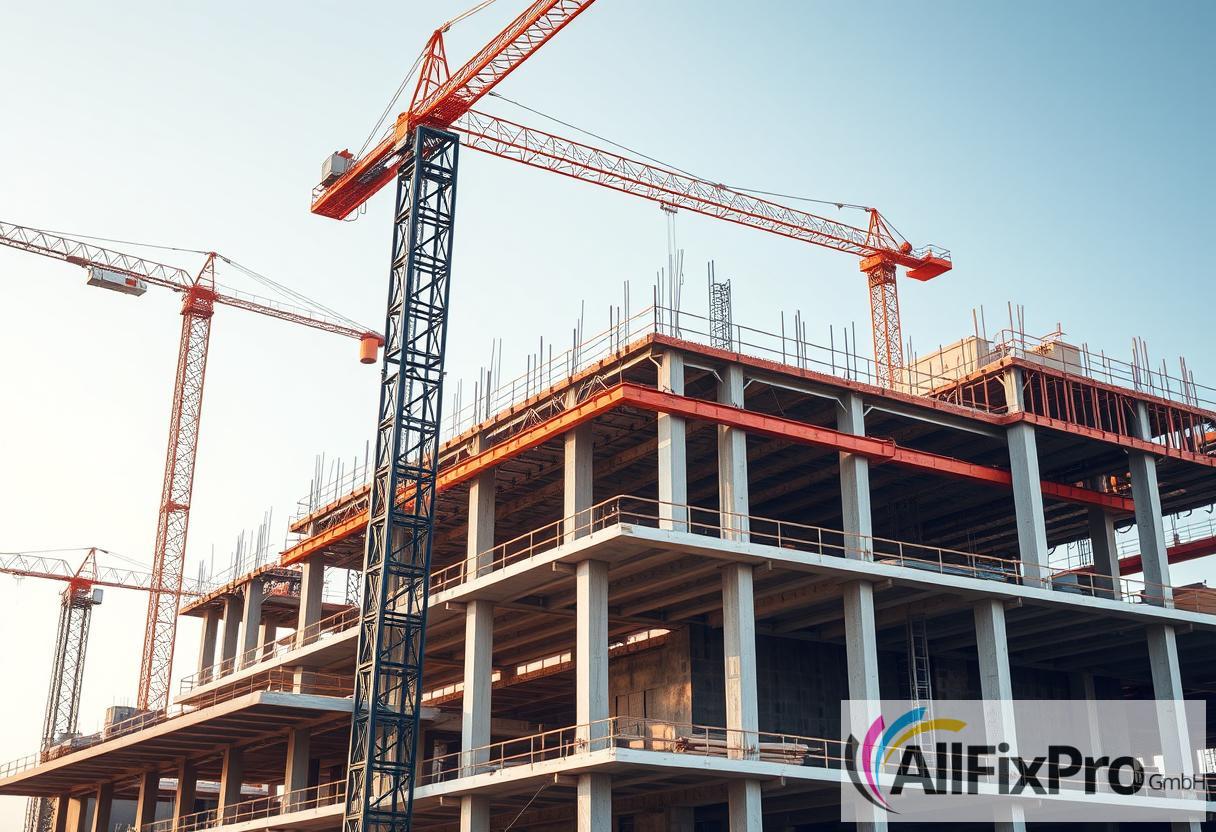
Financial hurdles and public funds
Despite the many positive developments, challenges in the implementation of sustainable urban projects must also be addressed. Financial hurdles are often a major obstacle. The construction of sustainable buildings usually requires higher initial investments, which are not always easy to achieve. Public funding and support programs play an important role in overcoming these hurdles.
Planning and citizen participation
Another challenge lies in planning and citizen participation. Key decision-makers often find involving citizens in planning processes time-consuming. Nevertheless, their participation is crucial for the acceptance and success of projects. A transparent dialogue between planners and citizens can avoid misunderstandings and lead to better implementation of ideas.
Outlook and future developments
Technological innovations in sustainable construction
The future of sustainable construction lies in the implementation of technological innovations. Smart home technologies, intelligent energy distribution systems, and sustainable building materials are just a few areas where progress is being made. Such technologies enable even more efficient use of resources and contribute to reducing energy consumption and emissions.
The role of politics in promoting sustainable urban projects
Political support is crucial for the development of sustainable urban projects. Policymakers must create incentives and promote investment in research and development in this area. Competitions and prize money for outstanding concepts can also stimulate innovative approaches and promote public acceptance.
Conclusion
Germany is demonstrating how sustainable urban projects can be advanced through innovative approaches and interdisciplinary collaboration. The examples from Heilbronn, Sindelfingen, Freiburg, and Berlin impressively demonstrate that responsible construction is not only possible, but also necessary. Citizens are called upon to actively participate in shaping their living spaces to create livable, sustainable cities for future generations.
A holistic approach that considers ecological, economic, and social aspects forms the basis for sustainable urban development. It is time for all stakeholders in this process to work together to steer positive development in the right direction. For support with sustainable construction and result-oriented solutions, we recommend visiting UMFISto learn more about their commitment in this area.

 English
  German
  Arabic
  Czech
Czech  Bulgarian
  Spanish
  Italian
  French
  Romanian
  Ukrainian
  Russian
  Croatian
  Polish
  Dutch
Dutch