

Blog
7 ways digitalization in refurbishment is revolutionizing industrial plants

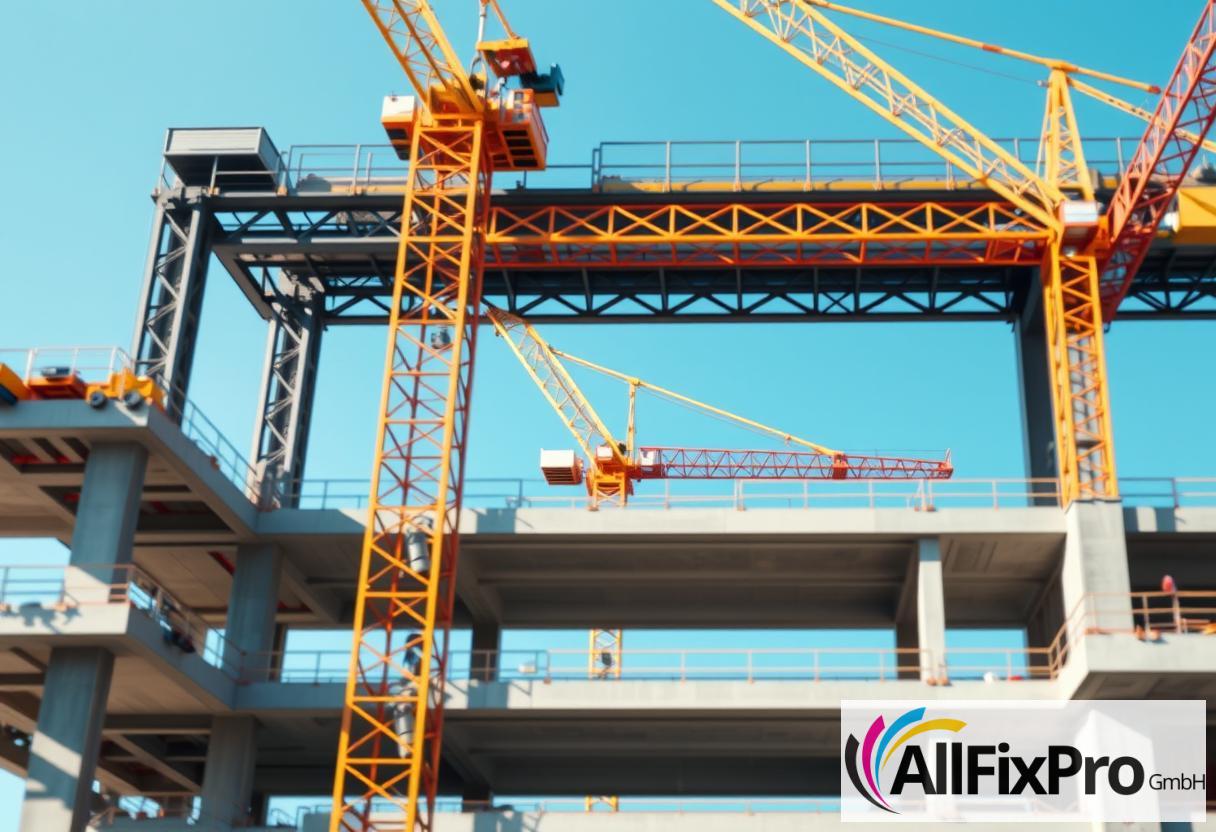
The role of digitalization in the successful refurbishment of industrial plants
The digitalization in renovation plays a crucial role in modern industry. The challenges companies face, such as time pressure, budget constraints, and high quality standards, require innovative solutions. More and more companies are realizing that digital technologies can not only increase efficiency but also promote sustainable development.
1. Introduction
Digitalization in rehabilitation describes the process by which digital technologies and methods are integrated into the planning, implementation, and monitoring of rehabilitation projects. This development is of great importance to the industry as it offers numerous benefits such as cost reduction, increased efficiency, and improved sustainability.
2. Current condition of industrial facilities
Challenges of traditional renovation approaches
Traditional remediation approaches often fail due to insufficient data availability and poor coordination among the various stakeholders. Challenges include:
- Inadequate monitoring of the system condition
- High workload due to manual processes
- Limited ability to respond to unexpected failures
- High operating costs due to inefficient maintenance strategies
Advantages of digital solutions
Digital solutions offer significant advantages over traditional methods. These include:
- Improved efficiency through automated processes
- Significant cost savings thanks to predictive maintenance
- Increase plant safety through permanent condition monitoring
- Sustainability gains through reduced resource use
3. Digital technologies and their applications in renovation
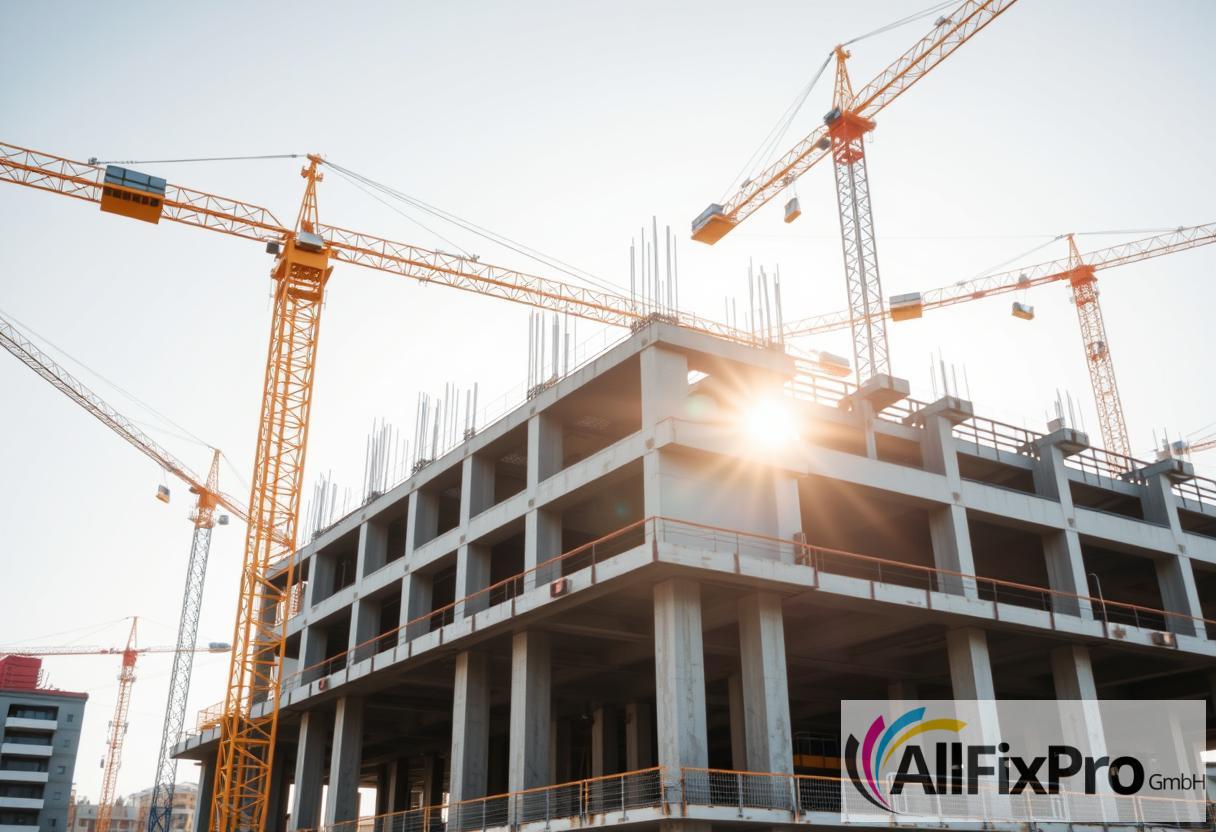
Big Data and Analytics
The potential of big data and analytics in restructuring is enormous. Analyzing large amounts of data enables companies to make informed decisions based on real performance metrics.
Predictive Maintenance
Predictive maintenance is a key element of digitalization in refurbishment. By identifying maintenance needs early, companies can avoid breakdowns and extend the lifespan of their assets. One example is the introduction of mobile applications in the cement industry, which enable maintenance technicians to conduct on-site inspections and create immediate documentation (produktion.de).
Increasing efficiency through data analysis
Data analysis helps companies identify complex patterns and derive appropriate measures to increase efficiency. Artificial intelligence can support the development of optimal remediation concepts that are not only cost-effective but also meet ecological requirements (digital-bau.com).
Internet of Things
The Internet of Things (IoT) is revolutionizing the monitoring and control of industrial plants. Connected machines and devices enable seamless communication and significantly increase efficiency.
Networked machines and systems
By integrating IoT sensors, companies can continuously monitor the condition of their machines. A practical example is the modernization of the “Cyclone” machine in the petrochemical industry, which uses real-time data to improve efficiency (arxiv.org).
Real-time monitoring and control
Real-time monitoring enables proactive control of operations. This allows companies to make automated decisions and respond immediately to disruptions, increasing plant safety.
4. Implementation of digital solutions in renovation projects
Strategies for digital transformation
Implementing digital solutions requires well-thought-out strategies. Companies should consider the following steps:
- Assessment of the current level of digitalization
- Developing a clear roadmap for digital transformation
- Involvement of all stakeholders in the transformation process
- Investment in training and further education
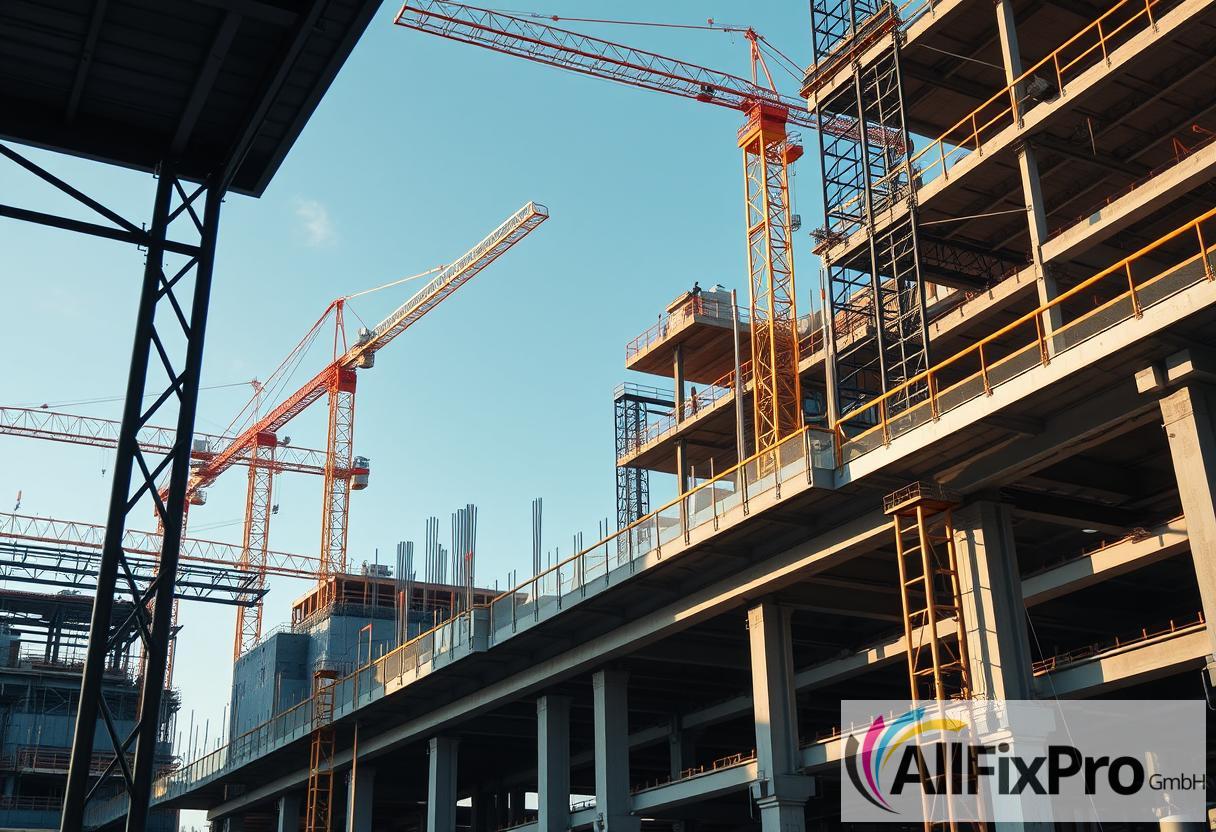
Success factors for the integration of digital technologies
The successful integration of digital technologies depends on several factors. Key success factors include:
- Dedicated leaders driving digital transformation
- Cultural openness to change within the company
- Technological infrastructure that supports the use of digital solutions
- Collaboration between departments and teams
5. Case studies and best practices
Examples of successful digitalization in restructuring
A promising example of digitalization in renovation is the implementation of a comprehensive IoT system at a large industrial company that enables efficient monitoring of all production facilities. This measure led to a significant reduction in operating costs and an improvement in the environmental footprint.
Lessons from practice and future developments
An important practical finding shows that companies that actively engage with digitalization in restructuring are more successful in the long term. Future trends include:
- Growing importance of artificial intelligence in decision support
- Extended use of augmented reality for planning and analysis
- Increasing networking between different industries to exploit synergies
6. Conclusion and outlook
Digitalization in the refurbishment of industrial facilities offers significant potential for increasing efficiency, reducing costs, and promoting sustainability. However, companies should proactively address the associated challenges, such as cybersecurity risks and the shortage of skilled workers, to realize the full benefits of digital transformation. Especially with a view to future developments, it is essential to harness the power of innovation and invest in modern technologies to remain competitive.
Over 300 completed projects in Germany attest to our reliability. Call us today at +49 151 688 460 60 and secure your free consultation!
 English
  German
  Arabic
  Czech
Czech  Bulgarian
  Spanish
  Italian
  French
  Romanian
  Ukrainian
  Russian
  Croatian
  Polish
  Dutch
Dutch