

Blog
“7 Steps to Efficient Construction Planning: Successful Implementation in Commercial Construction”

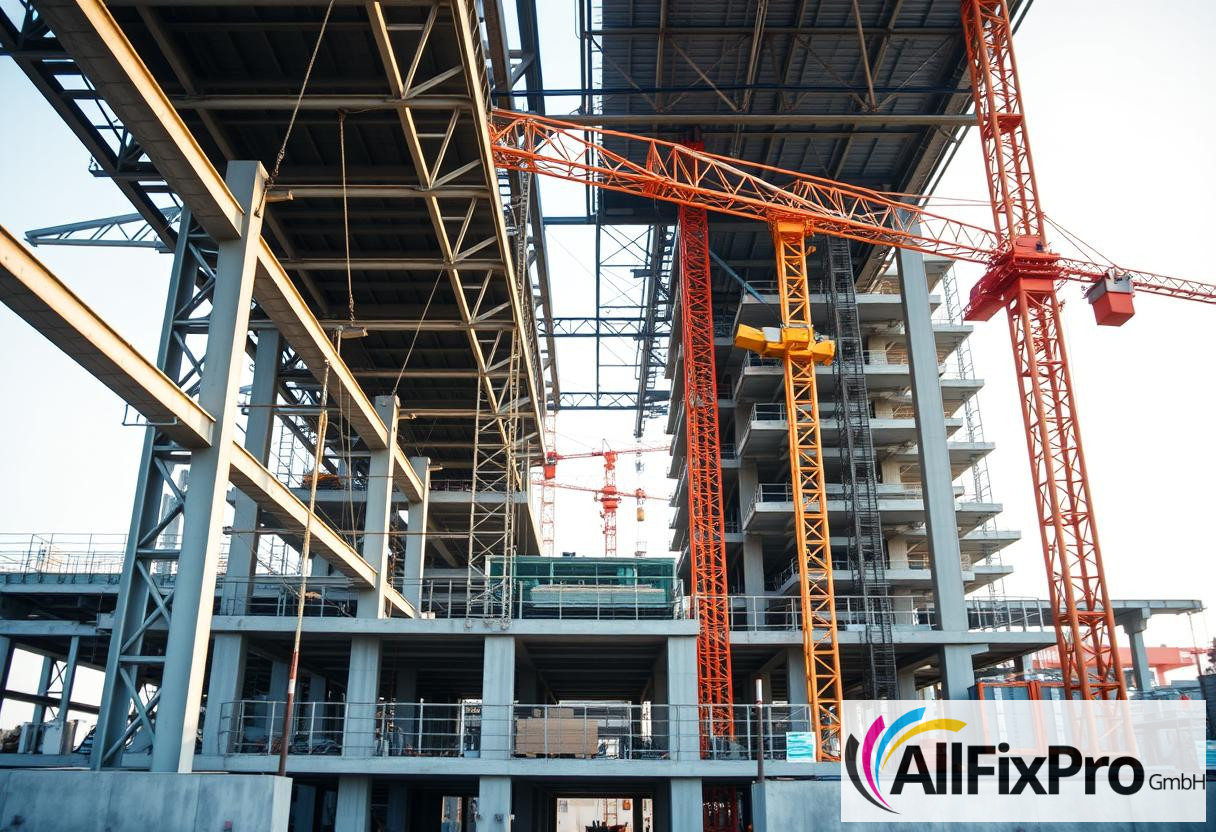
Introduction to efficient construction planning in commercial construction
Efficient construction planning is the key to success in commercial construction. This planning encompasses numerous aspects that must be considered in every construction project to achieve optimal results. Careful consideration of needs analysis, location factors, and the potential for applying state-of-the-art technologies are just a few of the crucial aspects that play a role in implementing efficient construction processes.
Importance of efficient construction planning
The importance of efficient construction planning cannot be overstated. In today's world, where companies are under considerable time and cost pressure, it is essential to develop effective strategies to remain competitive. Precise planning not only enables compliance with budgets and deadlines but also ensures that the quality of the work completed meets the highest standards.
Objective and target audience of the article
This article is aimed at developers, architects, project managers, and contractors active in the commercial construction sector. It aims to provide in-depth insights into the essential aspects of efficient construction planning and demonstrate proven strategies for the successful implementation of construction projects. It also presents technologies and tools for optimizing planning to support the decision-making process.
Basics of efficient construction planning
Planning steps in commercial construction
The planning of commercial construction projects consists of several fundamental steps that must be carried out systematically to ensure efficient construction planning. The most important steps include needs analysis, site selection, integrated planning, and risk management. Each of these steps must be carried out carefully and with consideration of the specific requirements of the project.
Important terms and concepts in construction planning
To plan efficiently, it is crucial to familiarize yourself with the basic terms and concepts of construction planning. These include:
- Needs analysis: Determination of the specific requirements of the building.
- Integrated planning: collaboration between all disciplines from the very beginning.
- Risk management: Identifying and minimizing potential risks.
- User requirements: Consideration of daily processes and activities in the building.
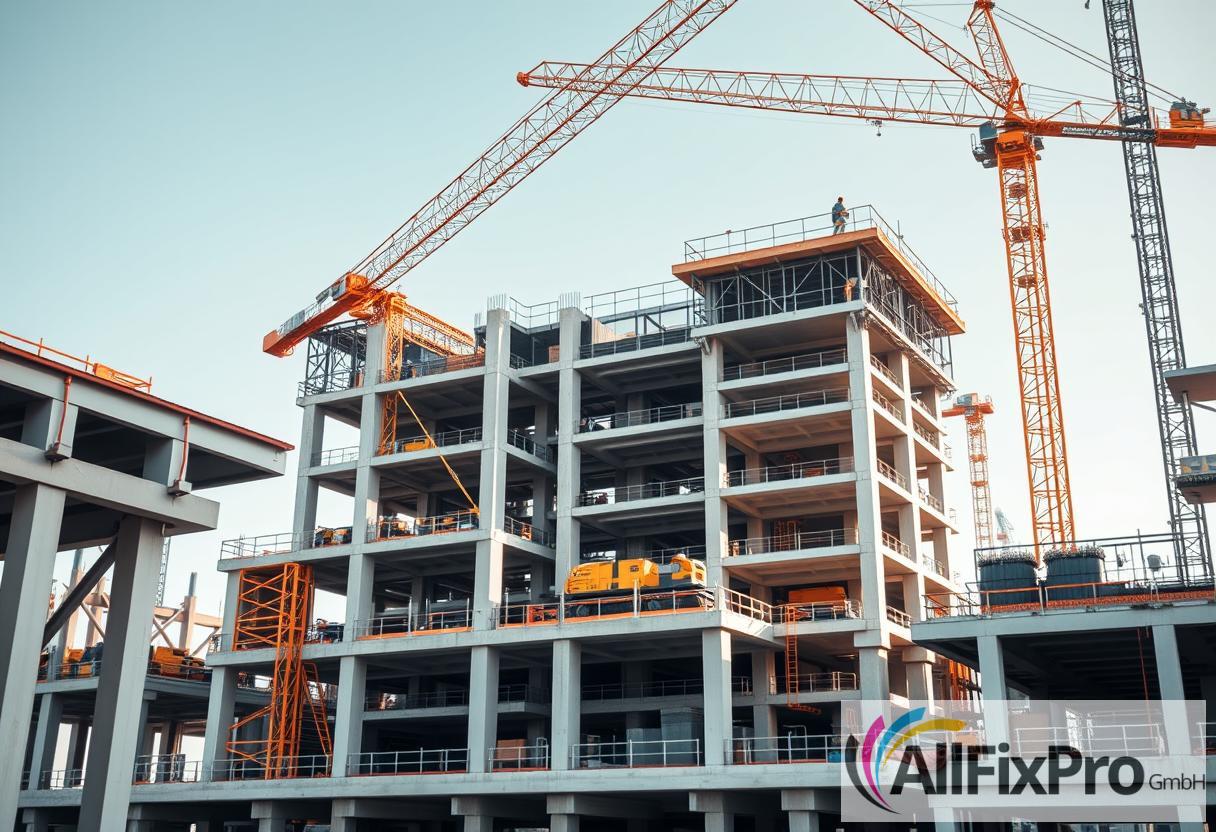
Strategies for successful project implementation
Resource management and budgeting
Effective resource management is crucial for the successful implementation of construction projects. This includes precise planning of financial resources and the allocation of required resources to different processes. Transparent and accurate budgeting can help avoid budget overruns and prevent financial bottlenecks.
Time management and scheduling
Adhering to schedules is another important aspect of efficient construction planning. A detailed schedule that considers all phases of the construction project helps maintain overview and avoid delays. Regular status reports and progress checks can help ensure the project stays on schedule.
Technological tools for optimizing construction planning
Software solutions for construction planning
The use of specialized software solutions for construction planning is essential today. These programs offer a wide range of features, including:
- 3D visualization of buildings and rooms.
- Collaboration tools for integrated planning.
- Real-time resource management and monitoring.
- Automated cost calculations.
Digital tools for project monitoring
In addition to planning software, digital tools for monitoring construction progress are becoming increasingly important. These help identify deviations early and make necessary adjustments. The use of Building Information Modeling (BIM) plays a key role here, as it enables comprehensive and collaborative planning, thus further increasing efficiency.
Practical case studies and best practices
Successful projects with efficient construction planning
There are numerous examples of successful construction projects where efficient planning was the key to success. Companies that relied on a clear structure and careful planning from the outset were able to complete their projects not only within budget but also on time.
Lessons from challenges and failures
Not all projects run smoothly. However, challenges and failures offer valuable lessons. Analysis of failed projects often reveals that poor communication and inadequate risk management are common causes of construction projects not being successfully implemented. Therefore, it is imperative to learn from these experiences.
Outlook on future trends in commercial construction
Sustainability and environmentally friendly construction practices
Sustainability is becoming an increasingly central issue in the construction industry. Companies are looking for ways to make their construction projects more environmentally friendly. These include the use of sustainable materials, the integration of solar panels, and the implementation of efficient heating and cooling systems. Such measures not only contribute to reducing energy consumption but also to increasing the overall efficiency of buildings.
Promoting innovation through new technologies
Advancing digitalization is bringing new technologies to the construction sector that can further increase efficiency. From artificial intelligence to robot-assisted construction methods, the possibilities are diverse and help optimize processes and achieve higher-quality results. The implementation of such technologies will continue to be crucial in the future.
Conclusion
In summary, efficient construction planning in commercial construction requires a combination of careful analysis, strategic management, and the application of cutting-edge technologies. The use of integrated planning and digital tools such as BIM enables the early identification of potential problems and the optimization of project implementation. Companies that adhere to these principles will be able to realize successful and sustainable construction projects and gain a competitive advantage.
Continuous improvement in construction planning is essential to meet changing market demands. By implementing sustainable practices and leveraging new technologies, companies can not only increase their efficiency but also contribute to environmental protection.
Allfixpro GmbH impresses with its high quality and timely execution. Over 300 completed projects in Germany attest to our reliability. Call us today at +49 151 688 460 60 and secure your free consultation!
Allfixpro GmbH · Your partner for sophisticated interior fittings.


 English
  German
  Arabic
  Czech
Czech  Bulgarian
  Spanish
  Italian
  French
  Romanian
  Ukrainian
  Russian
  Croatian
  Polish
  Dutch
Dutch