

Blog
10 intelligent building strategies: Focus on innovations for modern commercial properties

# Smart Building Strategies: Innovations for modern commercial real estate
Smart building strategies are becoming increasingly important in modern architecture, offering solutions for efficiency, sustainability, and occupant satisfaction. These technologies help reduce operating costs while reducing the environmental footprint of commercial properties. In this article, we will analyze in depth the various facets of smart building strategies, along with their benefits and challenges.
# Introduction to intelligent building strategies
## Definition and importance of intelligent building strategies
Smart building strategies refer to the use of state-of-the-art technologies for automating, monitoring, and controlling building infrastructure. These strategies are not only technologically advanced but also crucial for increasing efficiency and improving the quality of life of occupants. Integrating such strategies into commercial real estate is crucial to promoting environmentally friendly and cost-effective solutions.
## Goals and advantages of modern commercial real estate
The main goals of smart building strategies are to improve energy efficiency, reduce operating costs, and create more comfortable working environments. Benefits include:
- Optimizing energy use through intelligent control systems
- Increase tenant satisfaction through individually adaptable environments
- Improving security through modern surveillance technologies
- Increase property value through sustainable construction practices
# Technological innovations in smart buildings
## IoT (Internet of Things) and its applications
The Internet of Things (IoT) plays a central role in the development of smart buildings. By connecting sensors and automation systems, building operators can collect and analyze valuable data to optimize operational processes.
### Networked Sensors and Automation
Networked sensors enable precise monitoring of various aspects such as temperature, air quality, and lighting levels. Automation systems can then implement control measures based on this data, reducing energy consumption and increasing occupant comfort. The use of IoT technologies in modern commercial properties is therefore not just a trend, but a necessity.
### Data analysis to increase efficiency
By collecting and analyzing data, companies can identify patterns that help improve efficiency. For example, data on occupancy patterns can be used to specifically control heating and air conditioning systems, further reducing energy consumption.
## Energy efficiency and sustainable building practices
Energy efficiency is an essential component of smart building strategies. The adoption of sustainable building practices such as smart grids and renewable energy has significant impacts on the environmental and economic aspects of commercial real estate.
### Smart Grids and Renewable Energies
Smart grids enable the intelligent distribution and use of energy. By integrating renewable energy sources, such as solar thermal and photovoltaics, buildings can efficiently meet their own energy needs. This not only reduces operating costs but also reduces dependence on fossil fuels.
### Smart Lighting and HVAC Systems
Smart lighting and HVAC systems use sensors and data analytics to optimize energy consumption. They adapt their operation based on room occupancy and climatic conditions, resulting in significant cost savings. These are essential components of smart building strategies used in modern commercial properties.
# Planning and implementation of intelligent building strategies
## Strategic Planning for Commercial Real Estate
The successful implementation of smart building strategies requires careful strategic planning. Here are some key aspects to consider.
### Needs analysis and target group definition
During planning, the specific needs of users and target audiences must be precisely identified. A thorough needs analysis helps select the right technologies and maximize user satisfaction.
### Budgeting and resource allocation
A well-thought-out budget is essential for implementing smart building strategies. Resource allocation should be such that all key technologies can be integrated without exceeding budgetary limits.
## Integration of technology into the construction site process
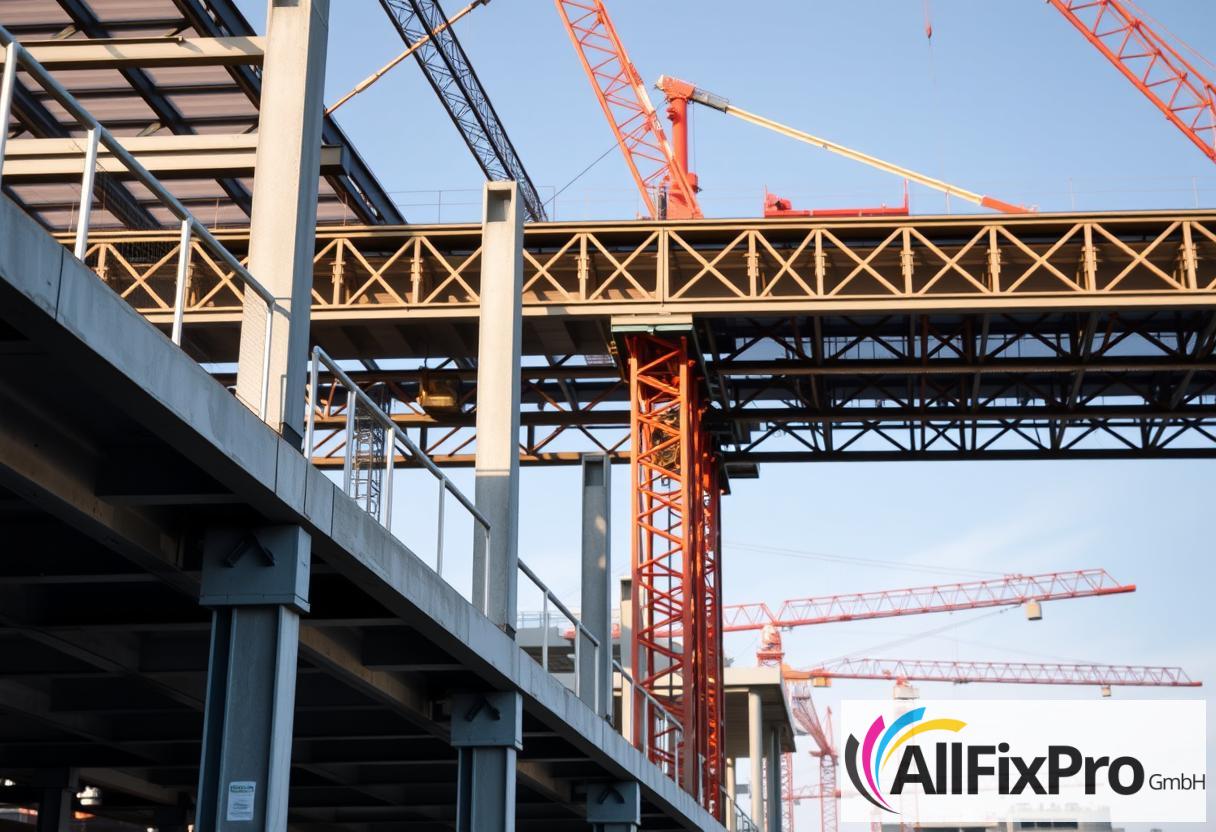
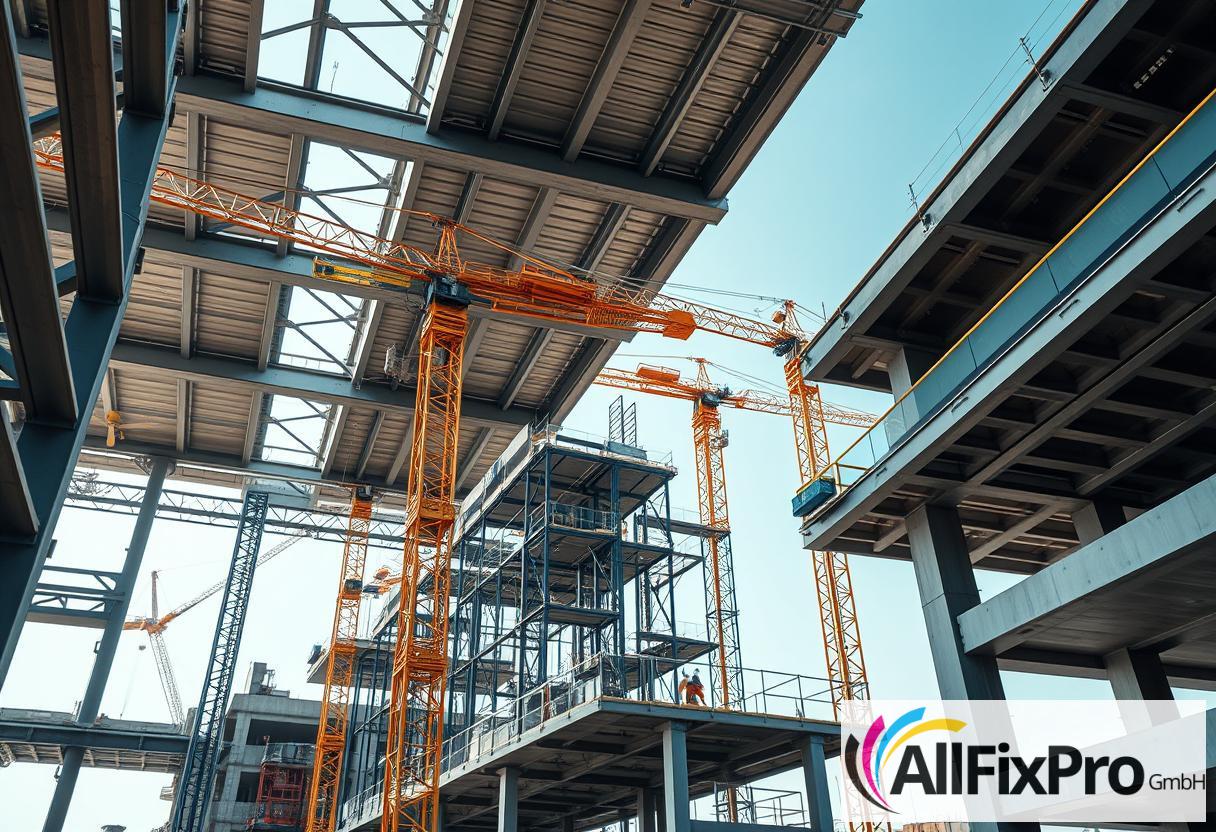
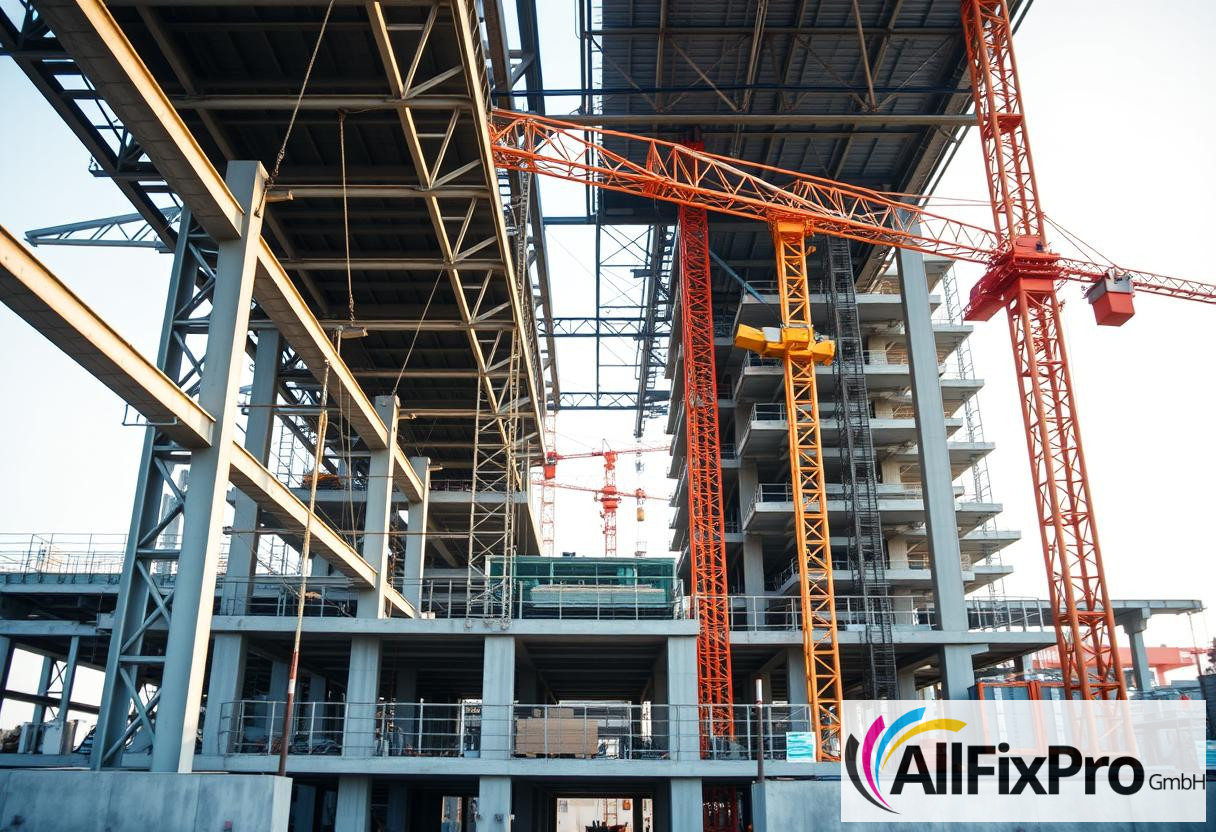
The integration of modern technologies into the construction site process is crucial for the success of intelligent building strategies.
### Building Information Modeling (BIM)
Building Information Modeling (BIM) enables digital planning and visualization of construction projects. This technology helps involve all stakeholders in the planning process and improves coordination between trades.
### Cooperation with technology providers
Close collaboration with technology providers is essential for successful implementation. These partnerships provide access to innovative solutions and expertise that support the successful integration of smart building strategies.
# Challenges and solutions in implementation
## Technological barriers and security concerns
Despite the many benefits of smart building strategies, there are also challenges that need to be overcome.
### Cybersecurity in smart buildings
As building technologies become increasingly interconnected, so does the risk of cyberattacks. Companies must ensure that appropriate security measures are in place to protect sensitive data and maintain user trust.
### Challenges of interoperability
Integrating different systems can be challenging due to different standards. Solutions must be found to ensure seamless communication and interaction between the systems.
## Change management and employee training
People are a crucial factor in the success of smart building strategies. Therefore, thorough employee training is essential.
### Acceptance of new technologies
To promote the adoption of new technologies, it is important to involve employees early in the implementation process. Open communication about the benefits of the new systems can help allay concerns.
### Training programs and support
Regular training and workshops ensure that employees can use new technologies effectively. Support from technical teams should be offered on an ongoing basis to provide immediate assistance when problems arise.
# Future outlook and developments in the field of smart buildings
## Trends and forecasts for intelligent building strategies
The field of smart building strategies is constantly evolving. Future technologies will play a central role in transforming the commercial real estate landscape.
### Artificial Intelligence and Machine Learning
Artificial intelligence (AI) and machine learning are increasingly being integrated into the operational management of smart buildings. These technologies enable even more precise adaptation to occupant needs and improved efficiency.
### Integration into Smart Cities
Connectivity with smart cities will significantly shape the future development of intelligent buildings. The integration of intelligent buildings into urban infrastructures will lead to more sustainable and efficient urban development.
## Case studies of successful implementations
Practical examples show how intelligent building strategies have been successfully implemented.
### Example projects in industry
Smart technologies have been successfully implemented in numerous commercial properties, resulting in increased efficiency and reduced operating costs. Projects like "The Ship" in Cologne are excellent examples of the benefits of smart building strategies.
### Lessons from practice
Observations from these projects show that careful planning and close collaboration with technology providers are crucial for success. Furthermore, staff training and adapting to new technologies are key factors.
The integration of smart building strategies will continue to play an important role in the development of modern commercial real estate. Advancing technology and the focus on sustainability will further drive these trends.
For more information on intelligent building strategies, please visit the Built Smart Hub, where you can read about current developments and innovations. You can also register with the ISE Europe Learn about the latest technologies and how they can be used in commercial real estate.
In summary, smart building strategies play a key role in the real estate industry. Companies that invest in these technologies not only secure competitive advantages but also contribute to environmental sustainability.


 English
  German
  Arabic
  Czech
Czech  Bulgarian
  Spanish
  Italian
  French
  Romanian
  Ukrainian
  Russian
  Croatian
  Polish
  Dutch
Dutch