

Blog
Energy efficiency strategies: Key to sustainable construction in Germany

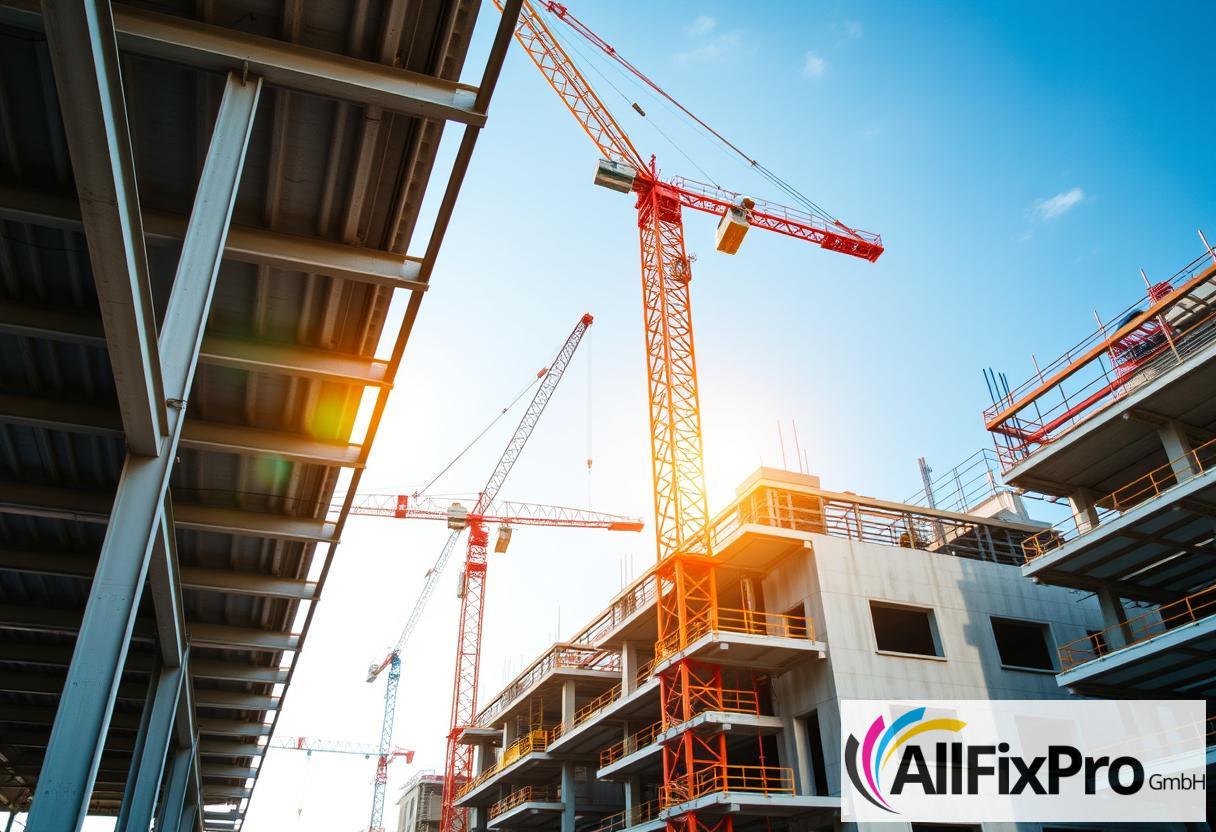
The role of energy efficiency in sustainable construction in Germany
Introduction to energy efficiency and sustainable construction
Energy efficiency plays a crucial role in sustainable construction in Germany. Energy efficiency strategies are particularly important because they contribute to reducing energy consumption and CO₂ emissions. In the context of climate change and rising energy prices, this topic is more relevant than ever and affects both building owners and society as a whole.
The concept of sustainable construction encompasses not only the reduction of energy consumption but also the consideration of ecological, economic, and social factors. The German construction industry is increasingly recognizing that sustainable construction is not only environmentally friendly but also brings economic benefits. By implementing energy-efficient measures, operating costs can be significantly reduced and the ecological footprint minimized.
Legal framework and standards
Overview of relevant laws and regulations
The legal framework for energy-efficient construction in Germany is shaped by a multitude of laws and regulations. Since 2020, the Building Energy Act (GEG) has defined binding requirements for the energy efficiency of new buildings. It stipulates that, as of January 1, 2024, heating systems in new buildings must be powered by renewable energy sources to at least 65%.
Additionally, the Federal Funding for Efficient Buildings (BEG) is mentioned, which has supported energy-saving renovation measures since 2021 to provide incentives for builders to build energy-efficiently. These funding programs include grants and low-interest loans that help reduce the financial hurdles for builders.
Energy Saving Ordinance and its effects
The former Energy Saving Ordinance (EnEV) served as the basis for energy efficiency requirements for buildings in Germany. It was replaced by the Energy Saving Ordinance (GEG), which modernized and tightened the regulations. The introduction of stricter requirements regarding heat loss and energy consumption in buildings has increased the need for innovative construction methods and technologies.
The EU Directive (EU) 2024/1275 on the energy performance of buildings is another important step towards energy-efficient construction. This directive must be transposed into national law by May 2026, which will lead to further improvements in this area.
Energy efficiency strategies for sustainable construction
Planning and design of energy-efficient buildings
Careful planning and design are essential for implementing energy-efficient construction methods. This includes the application of principles such as the Passive House standard, which aims to significantly reduce heating energy requirements. Passive houses are designed to stay warm in winter and cool in summer without extensive heating or air conditioning systems.
Passive house and its principles
The Passive House standard is based on the following principles:
- Excellent insulation of the building envelope
- Energy-efficient windows with triple glazing
- Controlled residential ventilation with heat recovery
- Minimization of thermal bridges
These principles not only promote energy efficiency but also occupant comfort. By applying these concepts, building owners can achieve significant savings in energy costs.
Use of modern building materials and technologies
The use of modern and sustainable building materials plays a crucial role in sustainable construction. Innovative materials that are both durable and resource-efficient are becoming the norm. The Circular Economy Act stipulates that building materials must be durable and repairable.
In addition, new technologies are being deployed, such as smart home systems that can monitor and optimize energy consumption. These technologies not only improve energy efficiency but also the quality of life in buildings.
Integration of renewable energies
The integration of renewable energies is a key strategy for a sustainable energy supply. Buildings can become largely energy self-sufficient through the use of various renewable technologies. This can be achieved through inactive systems or active systems such as photovoltaics.
Photovoltaics and solar thermal systems
Photovoltaic systems enable buildings to generate excess electricity that can be fed into the public grid. Solar thermal systems harness solar energy for hot water and heating. These technologies not only help reduce energy costs but also minimize CO₂ emissions.
Geothermal and wind energy under construction
Geothermal systems use the earth's heat to heat buildings and produce hot water. Combined with wind turbines, these systems can offer a viable solution for a sustainable energy supply. The potential for the use of renewable energies is enormous in Germany and is further supported by government subsidies.
Best practices and case studies in Germany
Successful projects and their implementation
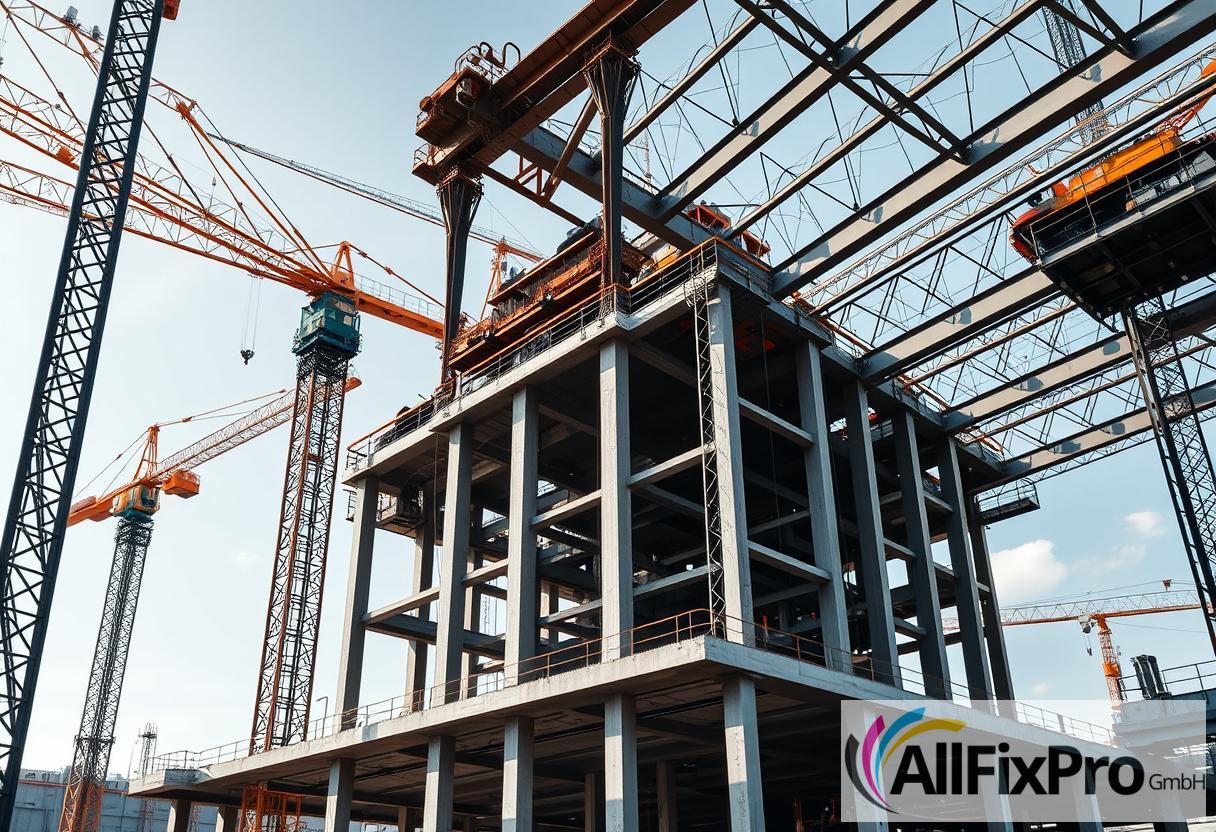
There are numerous examples of successful sustainable construction projects in Germany. These projects demonstrate how energy-efficient strategies can be successfully implemented to achieve both environmentally friendly and cost-effective solutions. One example is the Efficiency House Plus, which produces more energy than it consumes.
These buildings utilize a combination of photovoltaics, heat pumps, and innovative construction methods to minimize their environmental impact. These projects also often utilize sustainable materials to increase the lifespan of the buildings.
Lessons from the examples for future construction
The experience from these projects shows that the combination of innovative technologies, strict legal requirements, and government support are essential factors for the success of energy-efficient construction projects. It becomes clear that integrating energy efficiency into the construction process is not only necessary but also feasible.
The findings make it clear that early planning and the involvement of all stakeholders are crucial for the success of energy-efficient construction projects.
Challenges and future prospects
Challenges in implementing energy-efficient strategies
Despite the numerous benefits, there are also challenges in implementing energy-efficient strategies. High initial investments, uncertainty about future technological developments, and insufficient expertise can pose difficulties for developers and planners.
Additionally, there's a wealth of information on the market, and choosing the right technologies can be confusing. A well-thought-out plan and expert support are crucial to overcoming these hurdles.
The role of innovations and technologies for the future of construction
Ongoing research and development in the field of sustainable building materials and technologies plays a central role in the future of construction. Innovative solutions will continue to be needed to promote energy-efficient construction and achieve ambitious climate goals.
Technologies such as artificial intelligence and BIM (Building Information Modeling) can help develop efficient design and construction processes that further minimize energy consumption. Developments in the coming years will be crucial for how sustainably and energy-efficiently the construction industry can respond.
Summary and conclusion
The role of energy efficiency in sustainable construction is crucial for reducing energy consumption, lowering operating costs, and protecting the environment. A combination of legal frameworks, funding programs, and innovative construction methods promotes the implementation of energy-efficient buildings in Germany.
This commitment to energy efficiency not only represents a decisive step toward climate protection, but also lays the foundation for a healthy and sustainable lifestyle. Forward-looking thinking and action in the construction industry will contribute significantly to overcoming the challenges of climate change and creating a livable environment for future generations.
For further information on sustainable construction, visit the website of the Building Guild or find out more about the Federal funding for efficient buildings.


 English
  German
  Arabic
  Czech
Czech  Bulgarian
  Spanish
  Italian
  French
  Romanian
  Ukrainian
  Russian
  Croatian
  Polish
  Dutch
Dutch