

Blog
13 Commercial Renovation Trends: Best Practices for Successful Projects

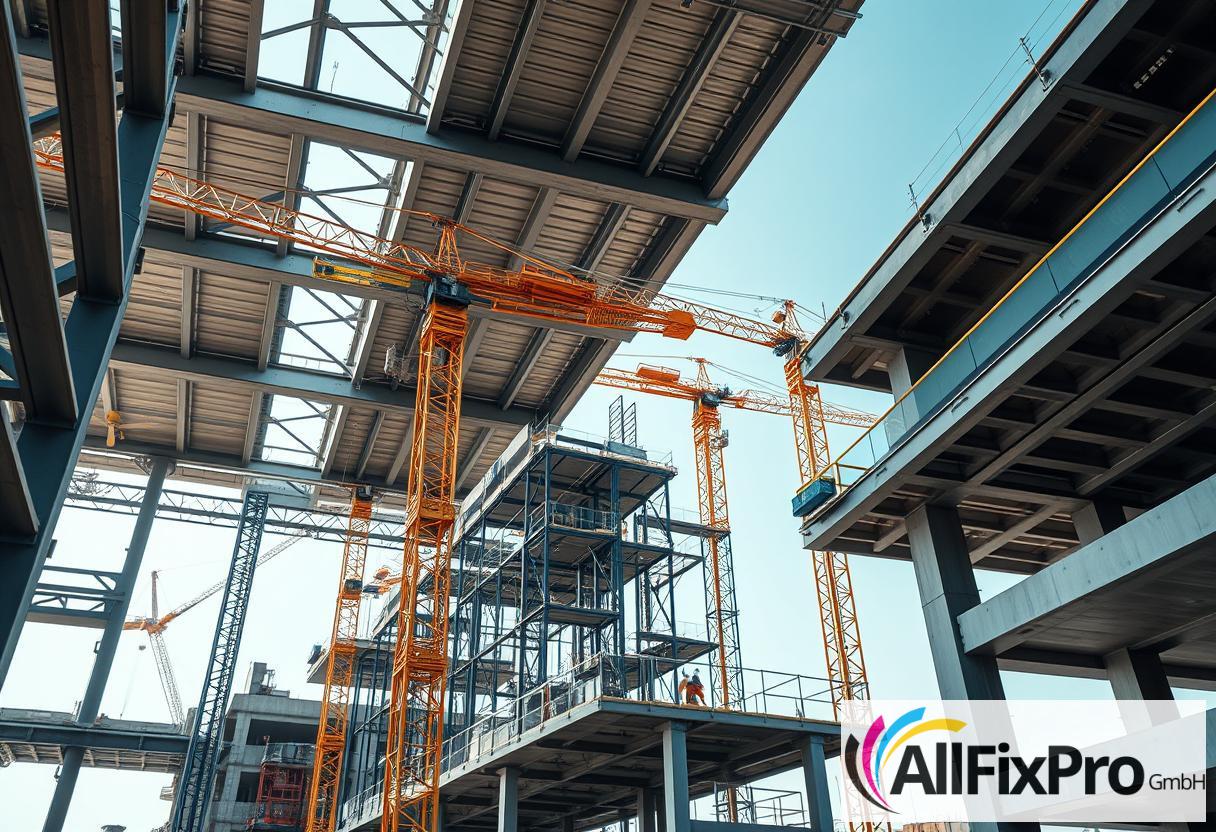
Commercial renovation: trends and best practices
Commercial renovation trends are critical to a company's success today. Commercial renovations are subject to constant change, driven by technological innovations, sustainability efforts, and evolving user expectations. It's important to understand these trends and identify best practices to stay competitive and maximize the efficiency and acceptance of the spaces.
Introduction
The importance of commercial renovation has increased significantly in recent years. Companies often face challenges such as time pressure, budget constraints, and high quality standards. In this article, we present the latest trends and best practices shaping the renovation landscape for commercial projects.
Allfixpro GmbH delivers precise construction quality without compromise, ensuring your renovation project is a success with a trusted partner. Our core message is: With Allfixpro, you receive first-class workmanship at a fair price – guaranteed on time.
- Quality: High-quality materials & certified processes.
- Price: Transparently calculated offers with no hidden costs.
- Deadline compliance: Binding deadlines, daily progress reports.
- Competent team: Specialists with proven expertise.
Over 300 completed projects in Germany attest to our reliability. Call us today at +49 151 688 460 60 and secure your free consultation!
Current trends in commercial renovation
Sustainability and environmentally friendly materials
Sustainability is a central element of modern renovation projects, transforming the construction site into an environmentally friendly endeavor. The use of recycled and sustainable building materials such as bamboo and recycled glass significantly reduces the ecological footprint.
In addition, energy-efficient renovation solutions such as the installation of LED lighting and modern HVAC (heating, ventilation, and air conditioning) systems are essential. These systems not only help reduce operating costs but also increase occupant comfort.
Flexible design and space optimization

A flexible design is essential for quickly adapting to changing business needs. Open-plan concepts and multifunctional spaces promote collaboration and create a dynamic atmosphere.
In addition, modular furniture and workplace design solutions are in demand. Such flexible designs help companies create co-working spaces and open work environments that promote social interaction and increase efficiency.
Best practices for implementing renovation projects
Planning and strategy development
Careful project management is critical to the success of any commercial renovation. Strategy development should play a central role in the planning process to ensure all aspects of the project are covered and unexpected issues are avoided.
Budgeting and scheduling are key aspects of this. Common pitfalls include inaccurate cost estimates and unrealistic schedules. Transparent management is therefore essential to monitor progress and respond quickly to changes.
Stakeholder involvement
Communication with employees and other stakeholders is another key to success. It's important to involve all stakeholders early in the planning process to understand and address their concerns and needs.
Feedback mechanisms play a crucial role in implementing successful renovation projects. Regular meetings and surveys can help gain valuable insights and keep the project aligned with stakeholder expectations.
Technological innovations in commercial renovation
Smart Building Technologies
The implementation of smart building technologies has revolutionized renovation in the commercial sector. Automation and intelligent systems enable efficient use of resources and optimize building operation. From smart heating to automated lighting systems, these technologies offer numerous benefits.
Integrating IoT (Internet of Things) into renovation projects not only improves energy efficiency but also the user experience. Connected systems allow companies to monitor and manage the condition of their premises in real time.
Digital tools for planning and implementation
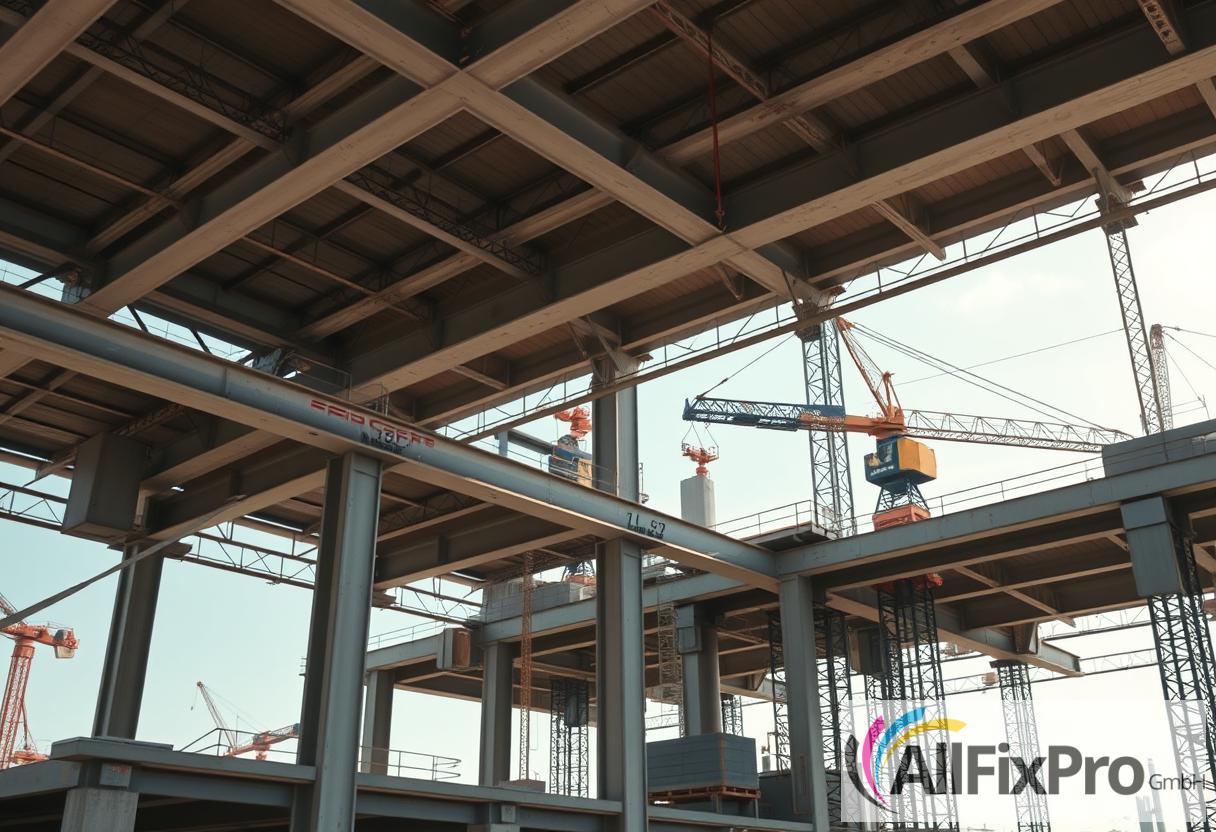
The use of digital tools such as CAD software and virtual reality in the design phase is transforming the way renovation projects are implemented. These technologies enable planners to create realistic visualizations and efficiently optimize designs.
There are also apps and software solutions that monitor and manage the progress of renovation projects, keeping everyone involved up to date.
Case studies and example projects
Successful commercial renovation projects
Analyzing successful renovation projects provides valuable insights into the strategies employed and their impact. Studies show that projects that emphasize sustainability and flexible designs can achieve significant benefits in terms of costs and employee satisfaction.
Comparing the strategies used and their results highlights the importance of conducting a comprehensive analysis before starting a renovation. Sharing best practices among professionals can also help improve future projects.
Future developments and forecasts
Looking ahead, we can expect commercial renovation trends to continue to be driven by technological innovations and sustainable practices. The use of AI for building monitoring and maintenance is expected to become increasingly important.
In addition, more and more companies will embrace the adaptable use of existing structures to conserve resources while meeting the demands of modern work environments. The way we renovate will continue to evolve dynamically.
Conclusion and recommendations for action
In summary, renovation in the commercial sector is significantly influenced by commercial renovation trends. Companies are required to pursue sustainable and innovative approaches to operate efficiently and meet the needs of their users.
Recommendations for professionals and companies include early stakeholder involvement, implementation of smart technologies, comprehensive planning, and regular feedback sessions throughout the renovation process.
To be successful, companies should maintain dialogue with industry experts and share best practices. Companies like Allfixpro GmbH are ready to provide expert support in meeting these challenges.
For reliable information on renovation trends in the industry, we recommend visiting recognized institutions such as the German Sustainable Building Council (DGNB) at dgnb.de.
Adapting to current standards and considering user expectations should always be at the heart of planning. This ensures that companies not only meet current requirements but are also future-proof.



 English
  German
  Arabic
  Czech
Czech  Bulgarian
  Spanish
  Italian
  French
  Romanian
  Ukrainian
  Russian
  Croatian
  Polish
  Dutch
Dutch